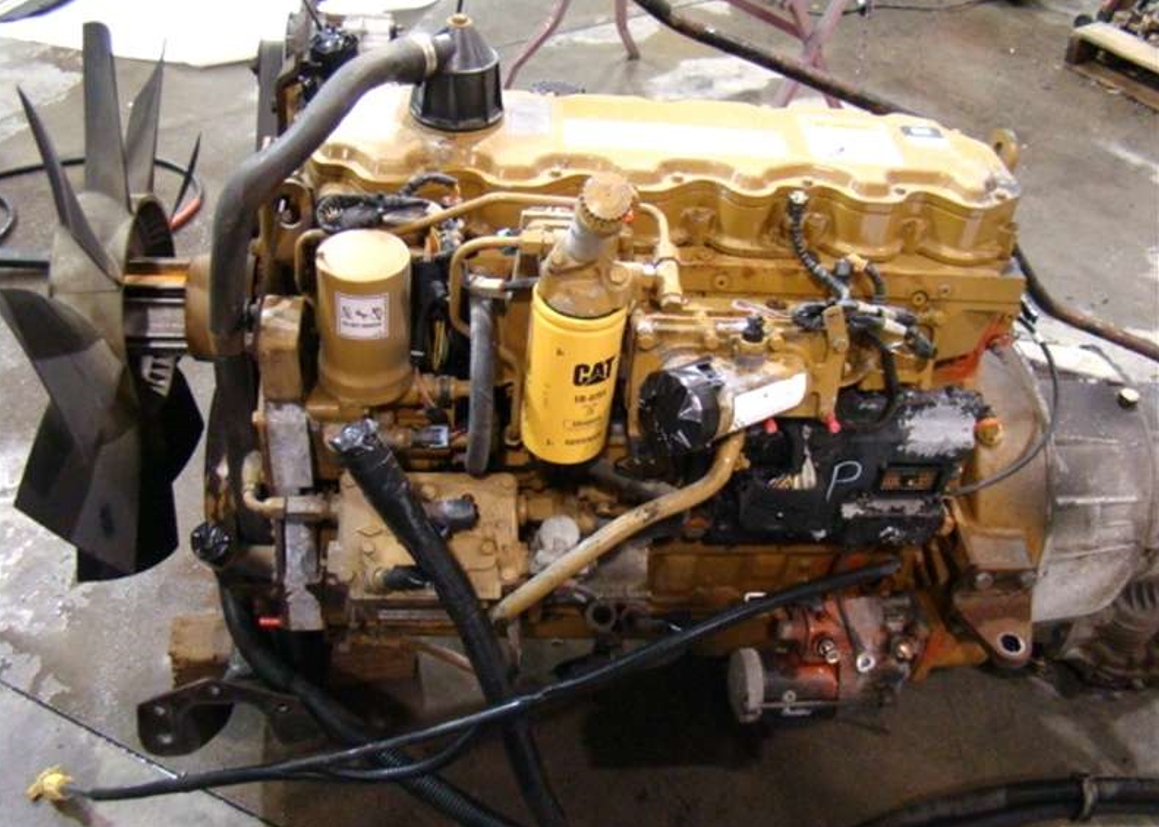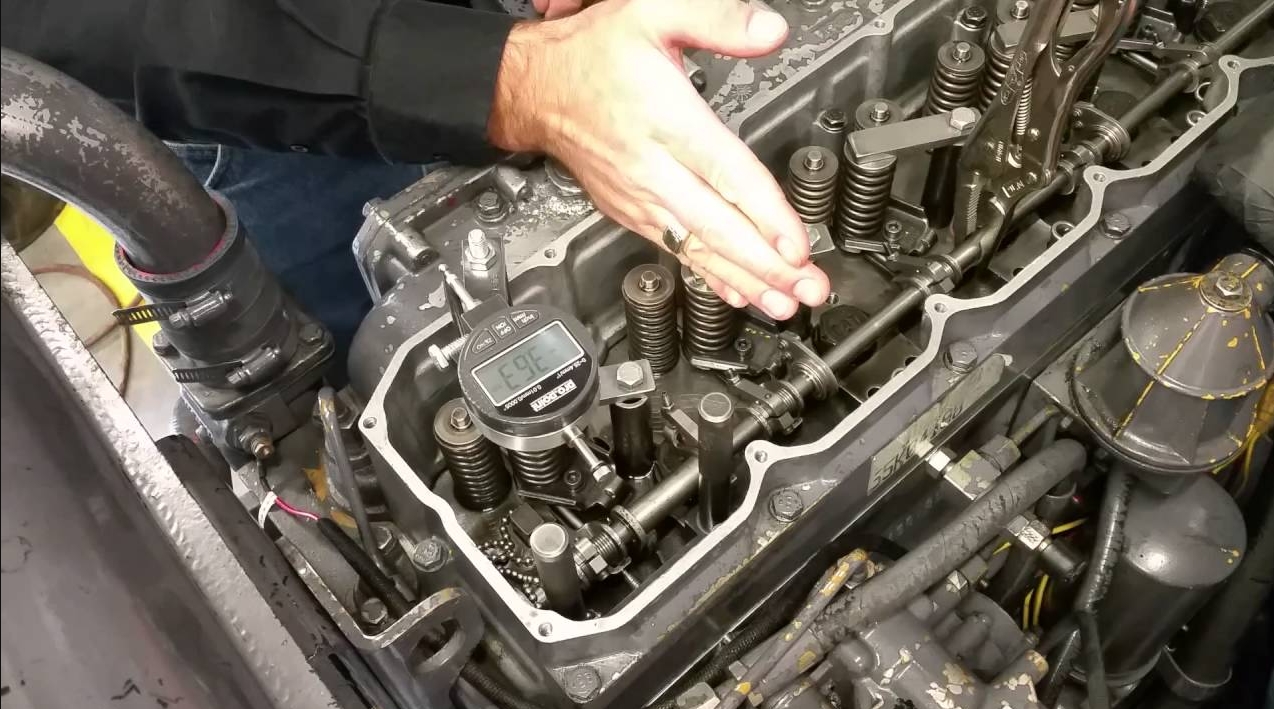
The CAT 3126 engine is a reliable workhorse, often powering medium-duty trucks like Freightliners. However, recurring issues such as the engine shutting down after 20 minutes and refusing to restart until it cools down can disrupt operations. In this article, we delve into the possible causes and provide a structured approach to diagnosing and resolving these problems.
Common Causes of Shutdown and Restart Issues
1. Fuel Delivery Problems
- Faulty Fuel Pressure Regulator: When the fuel pressure regulator malfunctions, it may fail to maintain consistent pressure as the engine warms up, leading to fuel starvation.
- Air in the Fuel System: Leaks or damaged fuel lines can introduce air into the system, disrupting fuel delivery.
- Clogged Fuel Filter: A partially clogged filter restricts fuel flow, especially under warm conditions.
2. Overheating Sensors or Components
- Fuel Temperature Sensor: A faulty sensor can send incorrect signals to the ECM, causing the engine to shut down.
- Coolant Temperature Sensor: Similar to the fuel sensor, a malfunctioning coolant temperature sensor might trigger a shutdown as a safety measure.
- Electronic Control Module (ECM): Internal faults or poor connections within the ECM can cause heat-induced malfunctions.
3. Electrical System Failures
- Wiring and Connections: Heat expansion in damaged or corroded wires and connectors can lead to intermittent power loss.
- Bad Solenoids: A malfunctioning fuel shutoff solenoid can cut off fuel delivery when hot.
- Charging System Issues: Weak batteries or alternator problems may impact the engine’s electrical systems as heat builds.
4. Injector Control Pressure (ICP) System Malfunctions
- Faulty ICP Sensor: The ICP sensor monitors high-pressure oil used for injection. If it fails, the engine may stall.
- High-Pressure Oil Pump (HPOP): A worn HPOP may lose pressure at operating temperatures, affecting injector performance.
5. Turbocharger or Intake Issues
- Overheating Turbocharger: Excessive turbo heat or intake restrictions can create operational disruptions.
Diagnostic and Repair Steps
1. Retrieve Diagnostic Codes
Use a scan tool to check the ECM for fault codes. These codes often point directly to the problem, saving time in diagnostics.
2. Monitor Key Parameters
Analyze live data from sensors like the fuel temperature sensor, coolant temperature sensor, and ICP sensor while the engine is running and warming up.
3. Inspect Wiring and Connections
Thoroughly check for corrosion, heat damage, or poor connections, particularly near high-temperature zones.
4. Fuel System Testing
Evaluate fuel pressure before and after the engine warms up. Replace filters and repair any leaks in the fuel lines.
5. Perform Component Tests
Test the functionality of the fuel shutoff solenoid, HPOP, and turbo system components under both cold and hot conditions.
Preventative Maintenance Tips
- Regular Sensor Checks: Periodically test temperature sensors and replace them at recommended intervals.
- Fuel System Maintenance: Clean or replace filters regularly and inspect for air leaks.
- Wiring Inspections: Check the integrity of electrical connections and replace any worn components.
- Cooling System Efficiency: Ensure proper coolant levels and flush the system as required to maintain optimal operating temperatures.
Key Takeaways
When a CAT 3126 engine shuts down after warming up, the underlying issue is typically tied to fuel delivery, sensor malfunctions, electrical problems, or high-pressure oil system failures. A systematic diagnostic approach, combined with routine maintenance, can resolve these issues effectively. If the problem persists, consulting a certified CAT technician is recommended to ensure the engine returns to reliable operation.
By following the steps outlined in this guide, you can minimize downtime and keep your CAT 3126 engine running smoothly.